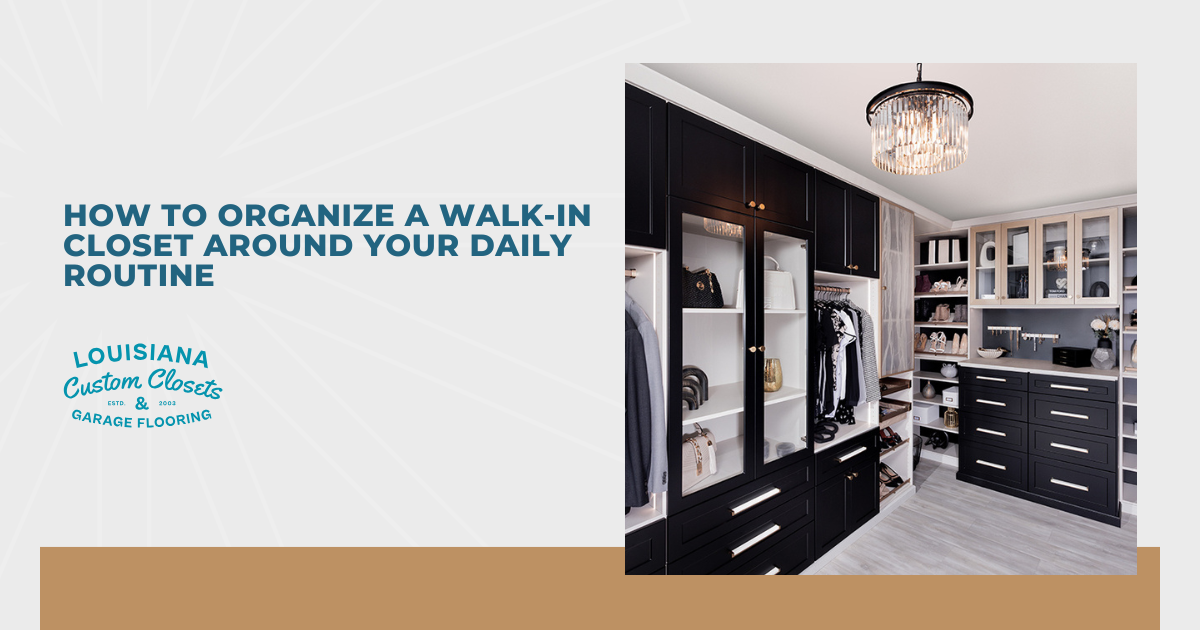
How to Organize a Walk-In Closet Around Your Daily Routine

Don Wise • January 9, 2026

How to Organize a Walk-In Closet Around Your Daily Routine

A walk-in closet should make getting ready feel easier, not more stressful. In my experience, most closet frustration isn’t caused by having too many clothes. It’s caused by a layout that doesn’t match your real daily routine. When your closet is organized around how you move through your day, it becomes faster to use, easier to maintain, and far less overwhelming.


I’ve worked with many different closet sizes and lifestyles, and the best results always come from a routine-first plan. Instead of organizing by what looks best, you organize by what you reach for first, what you use most often, and what tends to get dropped or misplaced. The goal is to create a system that feels natural, not rigid. Once your walk-in closet works with your habits, staying organized becomes a whole lot easier.


Here are the key tips I use to organize a walk-in closet around a daily routine:


  • Map your daily routine before you touch anything
  • Create routine-based zones inside your walk-in closet
  • Set up a “first 60 seconds” grab-and-go area
  • Organize clothing by “outfit building,” not just by type
  • Use vertical space for items you don’t need daily
  • Design shoe storage based on how often you wear each pair
  • Build an accessory station that supports your mornings
  • Add a weekly five-minute reset to keep everything running smoothly


If you’ve ever felt like your closet gets messy again the moment life gets busy, you’re not alone. I’ll walk you through simple, routine-based changes that make your walk-in closet easier to use every single day.

Map Your Daily Routine Before You Touch Anything

Before you organize, I always recommend taking a few minutes to map your routine. I like to write down what a typical weekday looks like, from getting dressed to leaving the house, and then do the same for weekends. This makes it clear which items are truly “daily essentials” and which ones can be stored elsewhere.


Here’s what I look for when mapping a routine:


  • Your weekday sequence (morning → work → evening)
  • Your weekend patterns (casual wear, errands, events)
  • The “high-touch” items you use 4–7 days a week
  • The bottlenecks (missing shoes, tangled accessories, rushed outfit choices)


Once you see your routine on paper, it’s much easier to design your walk-in closet around your real habits. This step also helps you avoid reorganizing in a way that looks nice but doesn’t actually feel convenient. I’ve found that the most sustainable closet setups are the ones that match how someone lives day to day.

Create Routine-Based Zones Inside Your Walk-In Closet

A walk-in closet stays organized more easily when everything has a zone based on frequency and function. I usually break it down into three zones: Prime Zone (daily essentials), Secondary Zone (weekly rotation), and Archive Zone (seasonal and special-occasion items). When you set this up correctly, putting things away becomes almost automatic.


Here’s a simple way to define each zone:


  • Prime Zone: daily clothes, most-used shoes, go-to bags, everyday accessories
  • Secondary Zone: weekend outfits, rotation pieces, backup handbags, occasional shoes
  • Archive Zone: off-season items, formalwear, special-occasion accessories, seldom-used storage


Once zones are in place, your closet feels less cluttered because the everyday area stays reserved for what you truly use. It also becomes easier to notice when something is out of place, which helps you maintain order without constant effort. This is one of the biggest “small changes” that makes a walk-in closet feel customized to your routine.

Set Up a “First 60 Seconds” Grab-and-Go Area

I like to think of the first minute in your closet as your momentum zone. This is where you should keep the items you reach for automatically so you can move through your routine smoothly. If you’re always grabbing the same things in the morning, this is where they belong.


I recommend keeping these essentials in your first 60 seconds area:


  • Everyday shoes
  • Your most-used bag or work tote
  • Frequently worn outerwear
  • Daily accessories (watch, jewelry, sunglasses)
  • A tray or small dish for keys and small items


This setup reduces the number of steps you take while getting ready, which makes mornings feel calmer. If your walk-in closet has room, a mirror nearby helps you finish your outfit without leaving the space. It’s a small zone, but it delivers a big return in daily convenience.

Organize Clothing by “Outfit Building,” Not Just by Type

Many closets are organized by category, and while that can look neat, it doesn’t always support how people actually get dressed. I prefer grouping clothing based on lifestyle, such as workwear together, casual wear together, and athleisure together, because it speeds up outfit decisions. When pieces that go together are stored together, you naturally spend less time sorting.


Within each section, I like to keep the most-worn items toward the front so they’re easy to reach. You can also create a small “go-to” area with the pieces you wear most often during the week. This method helps you get more use out of your wardrobe and reduces the urge to buy duplicates. It also makes it easier to see what no longer fits your routine and can be moved out of your Prime Zone.

Use Vertical Space for Items You Don’t Need Daily

Vertical space is one of the easiest ways to make a walk-in closet feel larger and less cluttered. I recommend keeping daily items at arm level and moving long-term storage up high or down low. This keeps your everyday area open and easy to maintain.


Here’s how I like to use vertical space:


  • Top Shelves: seasonal bins, travel items, specialty bags, extra bedding
  • Bottom Shelves/Floor Level: gym bags, bulky shoes, laundry baskets, overflow storage
  • Shelf Supports: dividers for stacked items, labeled bins to prevent “mystery clutter”


When vertical storage is intentional, your closet stays tidy longer because the Prime Zone doesn’t become overloaded. You also avoid the common trap of cramming everything into the most convenient shelves. A little structure here makes the whole closet feel more spacious.

Design Shoe Storage Based on How Often You Wear Each Pair

Shoes are one of the fastest ways to create clutter in a walk-in closet because they’re easy to drop in a pile. The simplest fix is to organize your shoes by how often you wear them. That way, your daily pairs are easiest to access, and your occasional pairs stay protected without getting in the way.


Here’s a shoe system that works in most closets:


  • Daily Shoes: open shelves or angled racks near the entrance
  • Weekly Rotation Shoes: secondary shelving or cubbies nearby
  • Occasion/Seasonal Shoes: clear boxes or higher shelves with labels
  • Care Supplies: wipes, brush, and spray stored together for quick maintenance


This approach keeps shoe storage from becoming a catch-all zone. It also helps you put shoes away quickly because each pair has a logical “home.” When shoes are easy to store, they’re much less likely to end up scattered around the closet floor.

Build an Accessory Station That Supports Your Mornings

Accessories can become messy quickly if they don’t have an intentional setup. I like to create one dedicated accessory station so belts, jewelry, sunglasses, and bags don’t drift into random piles. When accessories are visible and separated, you spend less time searching and more time getting out the door.


Here’s a simple accessory setup I recommend:


  • Hooks: belts, hats, and frequently used bags
  • Drawer Inserts: jewelry, sunglasses, watches, hair accessories
  • Separation: daily favorites up front, event pieces in a separate tray or section


This station doesn’t have to be large to be effective. Even one drawer and a few hooks can make a huge difference in day-to-day organization. The main goal is to keep accessories grouped and accessible so they don’t become clutter magnets.

Add a Weekly Five-Minute Reset to Keep Everything Running Smoothly

Even the best walk-in closet system needs a little upkeep, but it shouldn’t take long. I recommend setting aside five minutes once a week to reset your closet so clutter doesn’t build up. A quick reset keeps your zones working and makes it easier to stay organized without a major overhaul.


Here’s what my five-minute reset usually includes:


  • Put shoes back in their correct section
  • Return bags and accessories to their stations
  • Decide what to do with “worn once” items (rehang or laundry)
  • Refresh the tray/dish for daily essentials
  • Do a quick zone scan to make sure nothing drifted


When you build this into your routine, your closet stays calm and functional with minimal effort. It also prevents the “I need to reorganize everything” feeling that happens when clutter builds for weeks. I’ve found this small habit is what makes a closet system truly sustainable.


Conclusion

Organizing a walk-in closet around your daily routine is one of the most practical ways to make your home feel calmer. When your storage reflects how you actually live, it becomes easier to find what you need and maintain your system without constantly redoing it. Start with zoning and the first 60 seconds area, then build outward based on what you use most. A walk-in closet that supports your routine doesn’t just look better: it works better every single day.

Share this article

Recent Posts

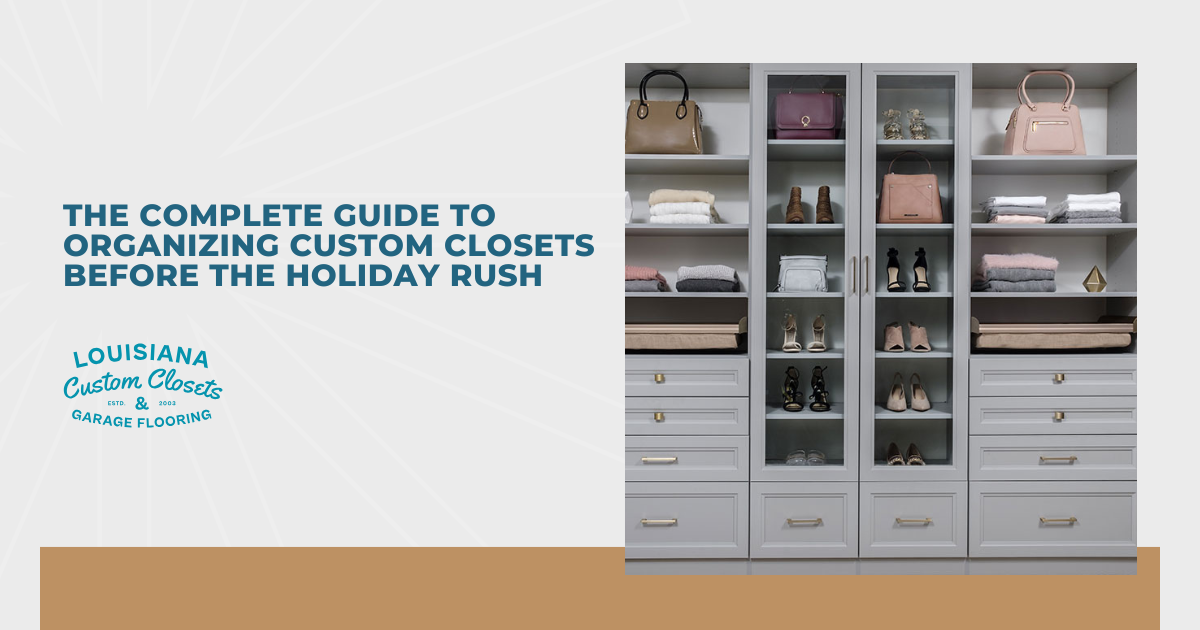
The Complete Guide to Organizing Custom Closets Before the Holiday Rush
By Don Wise November 24, 2025
Organize your custom closets before the holiday rush with simple, expert tips to streamline your space, cut clutter, and make the busy season easier to manage.
5 Reasons You Have a Disorganized Garage
By Don Wise November 3, 2025
Discover 5 common reasons you have a disorganized garage with practical solutions for creating a clean, efficient storage space.
How to Make Luxurious-Looking Closets for Less
By Don Wise November 3, 2025
Discover easy ways to make luxurious-looking closets with budget-friendly design ideas for a stylish, high-end look.
Customized Closets for Oddly-Shaped Closet Spaces
By Don Wise November 3, 2025
Discover smart customized closet ideas for oddly-shaped spaces with creative designs for maximizing storage and style.
Debunking The 4 Biggest Myths About Custom Closets
By Don Wise November 3, 2025
Discover 4 common myths about custom closets with expert insights for smarter storage solutions and better home organization.
Closet with built-in shelves and hanging rod. Light brown wood, empty shelves, some hanging clothes.
By Don Wise November 3, 2025
You love the idea of building a custom closet for your home. You just don't want to wait long to get one. So how long does it take to build a custom closet? And better yet, how long does it take to install one? At Louisiana Custom Closets, the design process averages two to three weeks. Installation? Typically under a day. Let's take a closer look at the factors impacting build time for closets in Louisiana.
5 Custom Laundry Room Cabinets for Busy Southern Families
By Don Wise November 3, 2025
Discover 5 custom laundry room cabinets with smart designs for busy Southern families to enhance storage and simplify routines.
5 Cheap Garage Cabinets to Avoid (and Why)
By Don Wise November 3, 2025
Discover 5 cheap garage cabinets to avoid with expert insights for choosing durable, high-quality storage that lasts.
How To Protect Your Wardrobe From Closet Pests
By Don Wise November 3, 2025
Discover effective ways to protect your wardrobe from closet pests with smart storage solutions for lasting freshness and fabric care.
5 Tips for Building an Organized Home Office
By Don Wise November 3, 2025
Discover 5 practical tips for building an organized home office with smart storage and design solutions for a productive workspace.
Show More