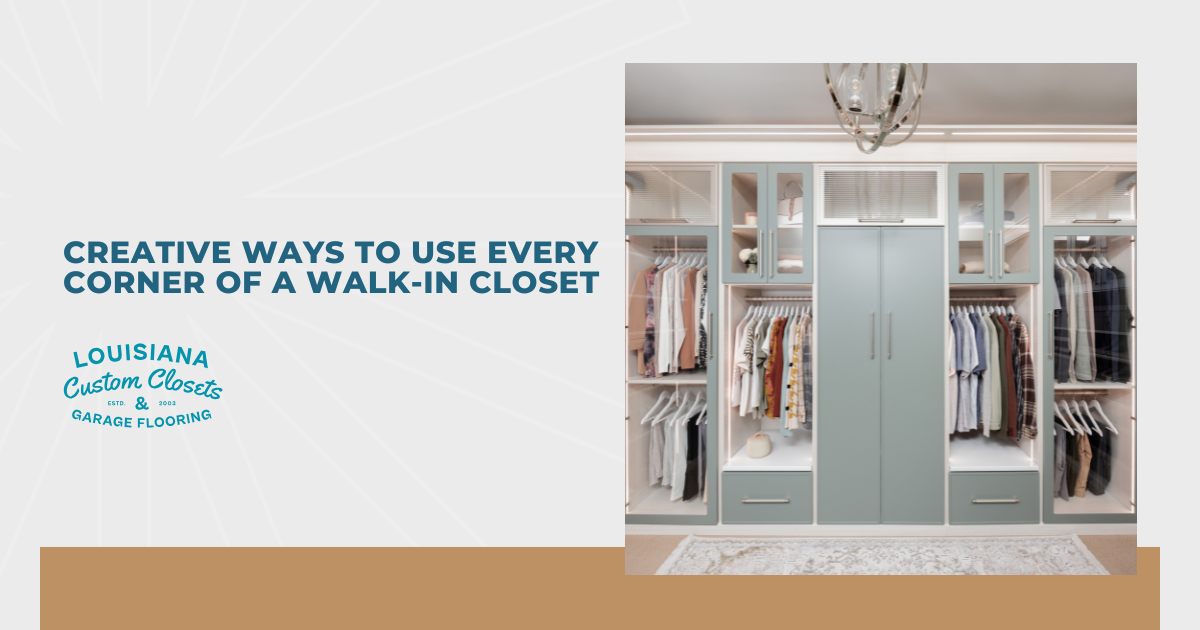
Creative Ways to Use Every Corner of a Walk-In Closet

Deep, narrow, or awkward corners can make even a spacious closet frustrating to use. Many walk-in closets waste valuable storage potential in these hard-to-reach spots, making it difficult to keep your clothes, shoes, and accessories organized. You deserve a space that works beautifully from wall to wall, not just in the most visible areas.
I look at every corner as a chance to make the closet work better for you. By utilizing tight angles, blank walls, low spaces, and the backs of doors, you can create storage that is easy to see, reach, and maintain. These small design choices ensure every inch supports your daily routine without making the space feel crowded.
If your closet feels almost right but still has messy spots, these 8 creative, corner-focused ideas can help walk-in closets feel more complete and easier to use:
- Install custom corner shelves
- Add rotating closet carousels
- Hang hooks behind doors
- Build drawers under windows
- Use vertical wall space
- Create hidden hamper storage
- Design seating with storage
- Light up dark corners
Keep reading, and I’ll share practical ways to help walk-in closets use tight corners, blank walls, and low spaces more effectively.
Install Custom Corner Shelves
Corner shelves can turn an awkward angle into one of the most useful parts of the closet. Instead of letting that space collect random items, you can use it for folded sweaters, handbags, hats, or smaller storage bins. In walk-in closets, this helps the corner feel planned instead of forgotten.
Custom sizing matters because not all corners have the same depth or reach. Shallow shelves work well for items you use often, while deeper shelves are better for pieces you only need once in a while. I usually look at corner shelves as a way to add storage without making the closet feel boxed in.
Shelf spacing should match what you plan to store. Too little space between shelves can make the corner hard to use, while too much space can waste vertical room. A balanced layout keeps items visible, neat, and easier to grab.
Add Rotating Closet Carousels
A rotating closet carousel can make a deep corner much easier to use. Instead of reaching into the back of a shelf or forgetting what is stored there, you can turn the unit and bring items into view. This is especially helpful for shoes, small bags, scarves, belts, and other accessories that tend to get buried.
Good carousel storage works best when it has one clear purpose. Mixing too many categories can make it feel cluttered and harder to maintain. I usually recommend using it for items you want to compare quickly, such as shoes or accessories, because visibility is the biggest benefit.
- Store Shoes by Type: Keep flats, heels, sneakers, or seasonal shoes grouped together so you can find the right pair faster. This also helps prevent shoes from being stacked, crushed, or forgotten in the back of the closet.
- Group Small Accessories: Belts, scarves, clutches, and compact bags can work well in divided carousel sections. Keeping them together makes your closet feel more organized while making outfit planning easier.
A carousel should turn smoothly and fit the corner without blocking nearby drawers, rods, or cabinet doors. Poor placement can make it feel like an obstacle instead of a solution. In walk-in closets, the best carousel designs feel easy to use and look like a natural part of the layout.
Hang Hooks Behind Doors
Door backs can do more than stay empty. Hooks give you a quick place for robes, belts, tote bags, scarves, or the outfit you plan to wear next. This small storage move can keep everyday items from landing on benches, floors, or shelves.
I also believe quick-access storage is important because organization should be easy to maintain. If you use something often, it helps to keep it within reach instead of hidden behind drawers. Door hooks are simple, but they can make your routine smoother.
Choose hooks based on what they need to hold. Strong hooks are better for heavier bags or robes, while smaller hooks work well for belts, jewelry, and lightweight accessories. Spacing matters too, since crowded hooks can make items wrinkle, tangle, or look messy.
Build Drawers Under Windows
Window walls can be difficult to design around because they interrupt tall storage. Low drawers solve that problem by adding storage without blocking light. They’re a smart place for folded shirts, workout clothes, accessories, or seasonal pieces.
A drawer bank under a window can also make the closet feel more finished. Add a cushion on top, and the same area can become a simple place to sit while putting on shoes. In walk-in closets, this kind of built-in detail helps an awkward wall feel useful.
I pay close attention to drawer depth in these areas. Shallow drawers are better for smaller items like jewelry trays, belts, and folded tops. Deeper drawers can hold bulkier pieces, but they still need to open comfortably without blocking your path.
Use Vertical Wall Space
Vertical space is one of the most valuable parts of a closet. Tall walls can support double hanging rods, upper shelves, pull-down rods, peg rails, or wall-mounted racks. This helps you store more without taking away floor space or making the room harder to move through.
One mistake I often see is leaving too much empty space above the main storage areas. Upper walls can hold items you do not use every day, such as luggage, seasonal clothing, keepsake boxes, or extra linens. When those items move higher, the most accessible areas stay open for clothes and accessories you reach for often.
- Keep Daily Items Within Reach: Place the clothes, shoes, and accessories you use most at eye level or within easy arm’s reach. This keeps your morning routine simple and reduces the need to dig through bins or high shelves.
- Use Upper Shelves for Overflow: Store less-used items in labeled bins, baskets, or clear containers on higher shelves. Labels help you find what you need quickly without pulling everything down.
- Add Pull-Down Rods When Needed: Pull-down rods make high hanging areas easier to access, especially in tall walk-in closets. They let you use vertical space without relying on a stool every time.
Vertical storage should feel organized, not packed from floor to ceiling without a plan. Clear zones help the closet stay easy to use. When each height level has a purpose, the whole space feels more controlled and less crowded.
Create Hidden Hamper Storage
Laundry can quickly make a closet feel messy if it does not have a proper place to go. A hidden hamper keeps worn clothes contained while keeping the room looking clean. Pull-out hampers are especially useful because they can fit into lower cabinets, corners, or unused spaces near where you change.
I prefer built-in hamper storage because it supports the way you already move through the closet. Instead of adding a loose laundry basket that takes up floor space, the hamper becomes part of the design. This helps walk-in closets feel more polished and easier to maintain.
Good hamper storage should still be practical. Ventilation helps reduce odor, and removable liners make it easier to carry laundry out when needed. Separate compartments can also help you sort lights, darks, delicates, or dry-cleaning before wash day.
Create Hidden Hamper Storage
Seating can make a walk-in closet more comfortable, especially when you are putting on shoes, folding clothes, or choosing an outfit. A bench, ottoman, or built-in seat becomes even more useful when it includes storage underneath. It can hold shoes, bags, extra linens, seasonal accessories, or items you want nearby but not on display.
Size is the first thing to consider before adding seating. A large ottoman may look beautiful, but it can block drawers, doors, or walking paths if the closet is narrow. I always look at whether the seat improves the space or simply takes up room.
- Choose Drawers for Easy Access: Seating with drawers works well for items you reach for often, such as socks, accessories, or everyday shoes. Drawers keep things organized while allowing you to open only the section you need.
- Use Lift-Top Storage for Bulky Items: A lift-top bench is better for blankets, off-season clothing, or bags that do not need daily access. This keeps larger items hidden while still making use of the seat’s footprint.
Storage seating should feel like part of the closet, not an afterthought. Materials, height, and placement all affect how comfortable and useful it becomes. When planned well, it adds function while making the closet feel more inviting.
Light Up Dark Corners
Dark corners can make even a well-organized closet feel harder to use. Poor lighting hides colors, textures, shoes, and small accessories. Better lighting helps the whole space feel cleaner, brighter, and easier to manage.
Lighting is one detail I never treat as an afterthought. Organization depends on visibility, especially in deep shelves, lower cabinets, and tight corners. In walk-in closets, LED strips, puck lights, and motion-sensor lights can make a big difference without taking up storage space.
Soft, even light works better than harsh brightness. It should help you see clearly without making the closet feel cold or uncomfortable. Once the corners are properly lit, they become useful parts of the layout instead of areas you avoid.
Conclusion
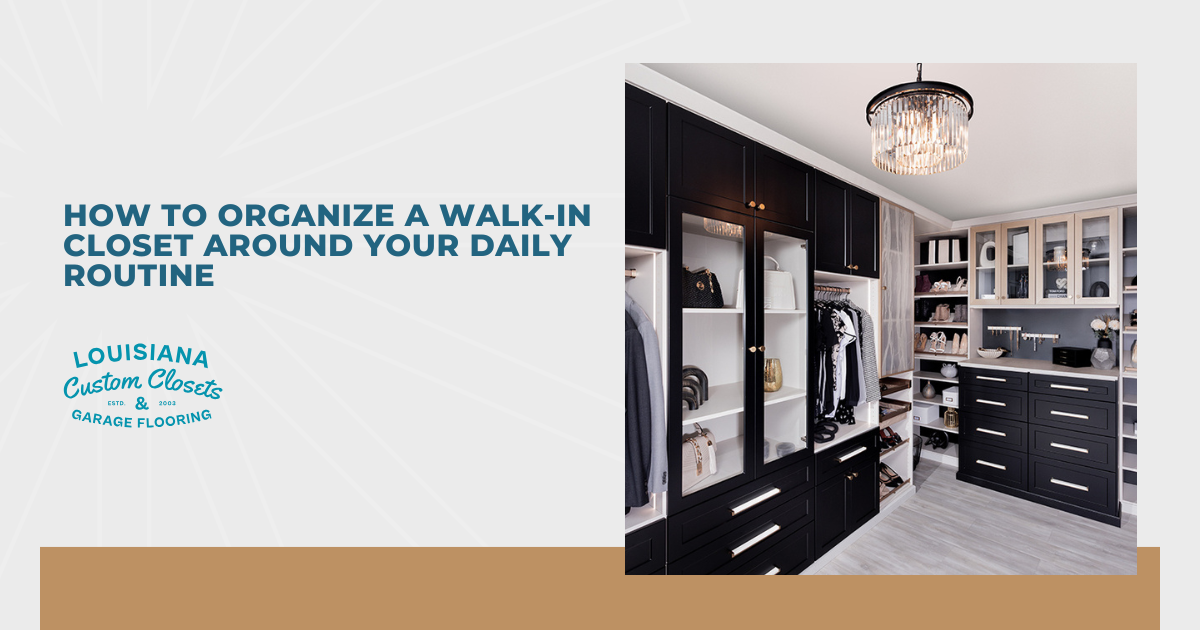
A walk-in closet should make your routine feel smoother from the moment you step inside. Corners may seem like small details, but they can affect storage flow, item placement, and how easily you move through the space. When those areas are planned with purpose, the closet feels more tailored to your habits instead of just filled with shelves. The best takeaway is simple: design for the way you reach, store, and get ready each day.
Recent Posts